
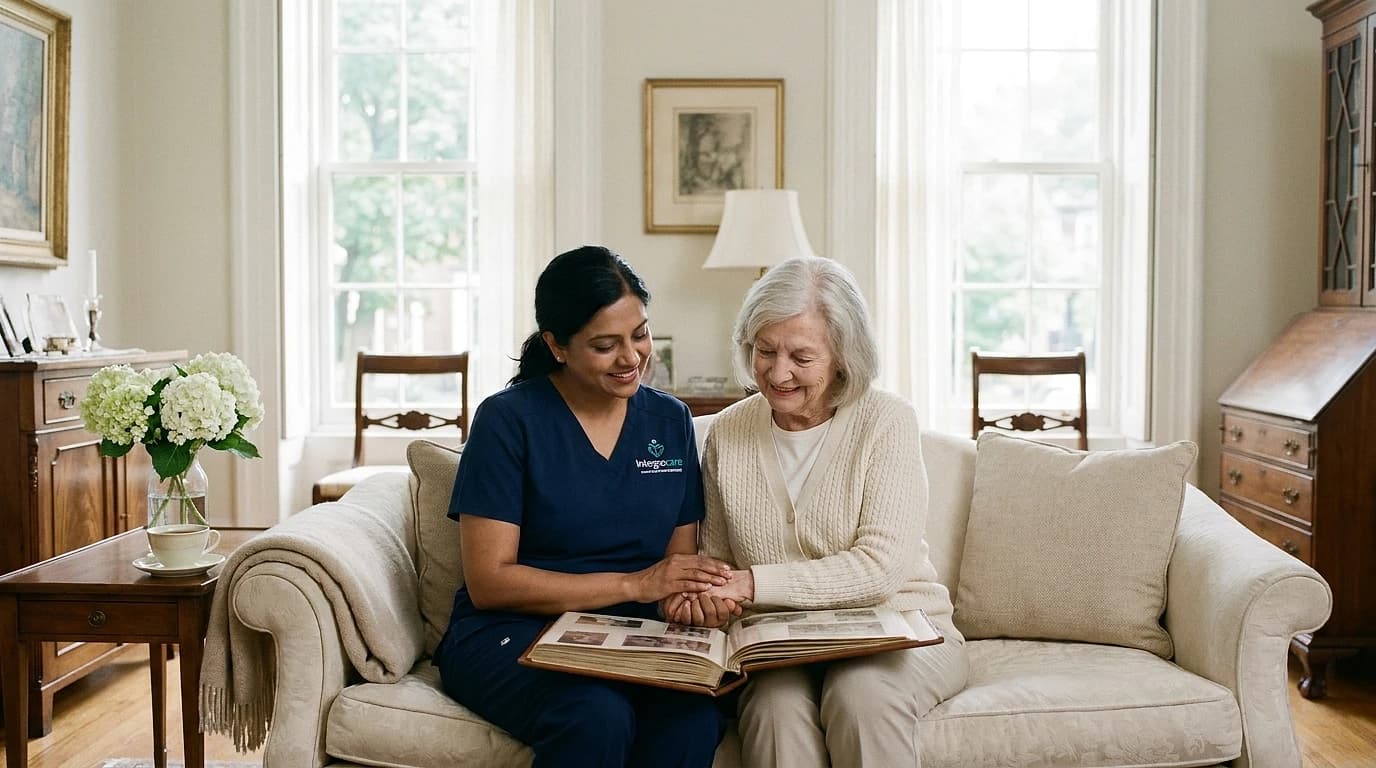
Elder care involves various forms of assistance that older adults can receive depending on their state of health, ability to move around and other factors which make it necessary to have extra support. Assistance may consist of support with various routine activities, personal care, nursing, dementia care, live-in assistance, or palliative care. The idea behind elder care is to ensure that individuals stay secure, comfortable, and independent wherever they call home.
The first question that usually comes to mind when considering elderly care is: what is elder care, and under what circumstances is it needed? However, there is no singular answer to this question as everyone has their own specific needs. Some individuals may only need some help with meals, transportation and housework, but others will require personal care, medical services and other types of care on a daily basis.
In-Home and Personal Support
In-home elder care is the most popular choice of care when a family wishes to keep their loved one in an environment they recognize. A caregiver can visit the home a few times a week or for a longer duration depending on the needs of the care receiver. This kind of home health care can offer assistance with things such as personal hygiene, dressing, cooking, mobility, light housekeeping, and many more. It can also offer companionship, which is incredibly significant for those living alone.
Home health care ensures that individuals maintain their familiar routines and stay connected to their community. The other advantage of receiving home health care is the provision of personalized care services without having to fit in the schedule of any facility or residence. For family members, home care can be an effective way of caring for their loved ones who have started having difficulty performing daily activities.
Personal support is also a key part of elder care. A personal support worker, also known as a PSW, provides assistance to seniors in tasks that could be challenging due to their aging process, illness, disability, or impaired mobility. Some of these tasks include bathing, dressing, toileting, feeding, and mobility around the house. A PSW also helps with light housework and provides a level of companionship to individuals.
Nursing and Dementia Care
Home nursing care differs from personal support since it is provided to those who have health conditions which demand the expertise of a registered nurse. Nursing care is crucial if one is recovering from an operation or for those dealing with chronic illnesses. Based on the health needs of the individual, nursing care can involve conducting health assessments, administering medication, managing wounds, monitoring symptoms, and communicating with physicians or other healthcare professionals.
Nursing services and personal support can be combined as well. For instance, an older adult can benefit from nursing services to cater to their medical requirements along with receiving personal support services from a PSW when it comes to activities such as bathing and eating. A professional assessment will assist in determining what care is required and how it should be coordinated.
The purpose of dementia care is to provide specific assistance to individuals suffering from Alzheimer’s disease or other types of dementia. Cognitive impairments and alterations in communication skills and behaviour affect the quality of everyday life. A caregiver helps to maintain a schedule, assist in hygiene issues, prepare food, and engage in safe activities.
Consistency plays a crucial role when someone is living with dementia. Familiar faces and consistent routine will assist to decrease confusion in the care receiver and will provide them with more comfort. Dementia care should take into account the abilities and preferences of the individual at all times. It is a great way of providing a sense of relief for loved ones who are trying to balance several responsibilities.
Live-In, 24-Hour and Palliative Care
Some individuals may need additional ongoing care. Live-in care might be an option where an individual requires support at all times, lacks safety staying by themselves or has family who cannot offer consistent care. A live-in caregiver will live at the home and assist with day-to-day activities and personal care.
It is essential to recognize that live-in care and 24-hour care do not necessarily mean the same thing. Live-in caregivers need scheduled sleeping hours and break times. However, 24-hour care may involve multiple caregivers on duty who take turns in order to ensure around-the-clock availability of care. This all depends on the care receivers need for assistance at night and continuous supervision.
Palliative care is another form of elder care that is suitable for patients suffering from a serious illness. It helps provide relief from symptoms as well as improve the quality of their life. Palliative care is not necessarily confined to the final days of one's life, as it can be started earlier and administered along with other treatments as well.
At home, this may include palliative care provided by nurses and personal support workers along with other health professionals. The services could be personal help, medical management, symptom management, comfort care, and psychological support for both individuals and their families. Palliative care received at home may enable someone to continue to live in a comfortable setting with the people they love.
Respite Care for Families
A family can also benefit from using respite care in their care plan for their loved one. Respite care provides the regular caregiver with some relief, giving them time for rest, and other responsibilities. Caring for an older adult is both physically and emotionally stressful, even when voluntary.
This form of care makes the plan more sustainable and prevents the family caregiver from being overwhelmed. This kind of care also gives the care receiver an opportunity to be comfortable accepting assistance from another caregiver.
How to Choose the Right Elder Care
Selecting the appropriate type of elder care starts with recognizing when things have become too difficult for the individual and when extra assistance is required. Factors to think about include the individual’s physical condition, their ability to move around, their memory, their daily routine and the care system in place currently. Indicators that additional support is needed could include missing medications, bathing difficulties, falls, weight loss or confusion.
Don't let a crisis force the conversation. Support does not restrict one's independence, it allows them to remain independent. It is significant that the care receiver is involved in the decision-making process and able to express their needs before care is needed.
It is important for families to know how the care provider screens, trains and supervises their caregivers, how care plans are developed and revised, and how the care process works when a regular caregiver is unavailable. Good care providers will spend the time needed to get to know the individual and adapt the care plan accordingly.
Finding Support for Your Family
Eldercare Home Health offers personalized elder care and home healthcare services to seniors living in Toronto and Mississauga. Our services include personal care, nursing care, dementia care, live-in care, and palliative care.
Our complimentary assessment will assist families in making an informed decision on a care plan that will suit the needs and preferences of their loved one. Contact us today for more information.