

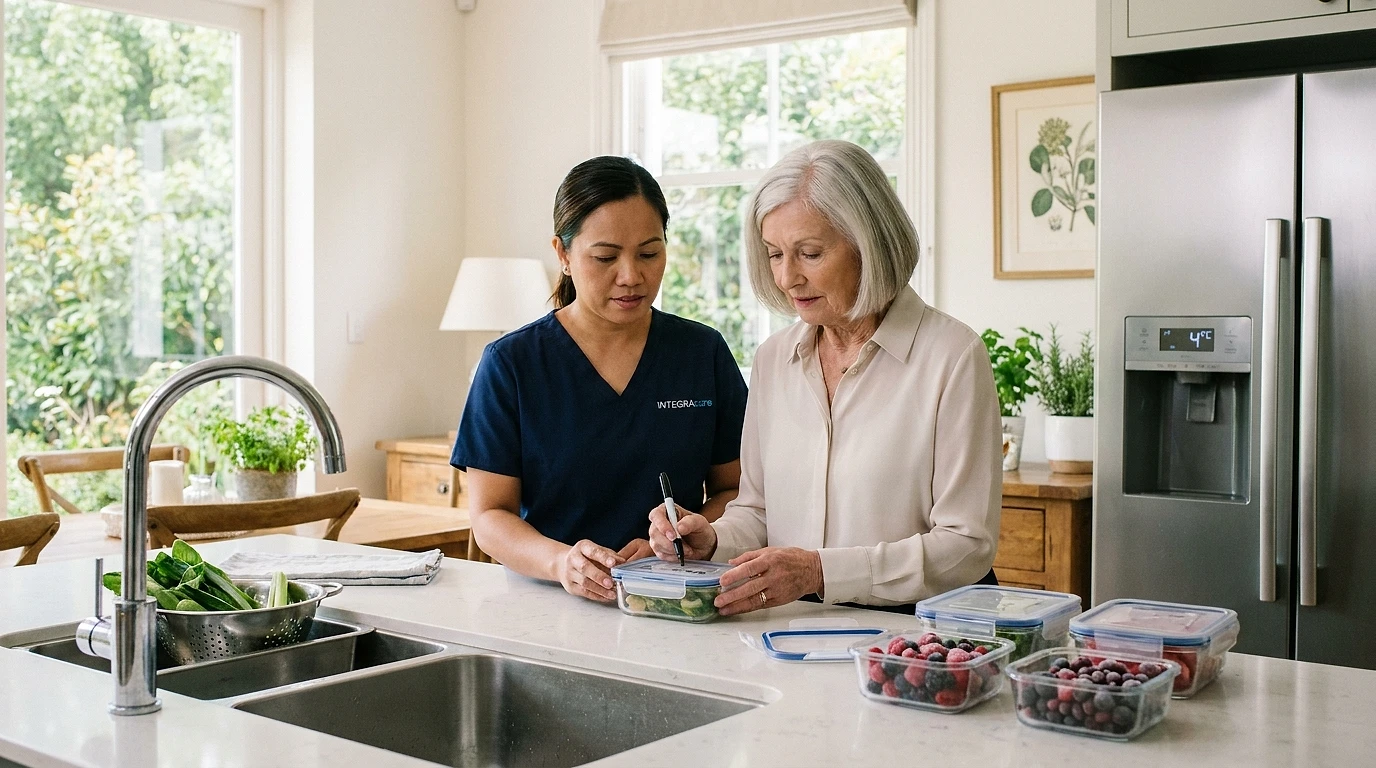
The older that we get, food safety becomes more important than ever before. Older adults are more susceptible to developing foodborne illnesses because their immune systems naturally weaken over time. Thankfully, a couple of simple practices can help to keep food not only safe but also delicious.
Here's what you need to know about frozen foods, leftover foods, and proper food storage.
Are Frozen Foods Safe for Seniors?
Yes, frozen food can be a good choice for seniors.
Many frozen fruits and vegetables are usually frozen soon after being harvested when they reach their peak ripeness, ensuring that they retain most of their nutrients. They also stay fresh much longer compared to fresh foods, reducing chances of wasting any food and always having nutritious ingredients available.
When purchasing frozen foods, try to opt for those that do not have any added salt, sugar or sauces.
What Temperature Should Frozen Food Be Kept At?
One of the important aspects of food safety is maintaining the proper temperature when storing frozen foods.
It is recommended by Health Canada that your freezer should be maintained at -18°C (0°F) or below. At such a temperature, bacteria cannot grow, and the food will stay safe for storage.
The temperature in your fridge should be maintained at 4°C (40°F) or lower for storing fresh and leftover food products.
Inexpensive thermometers for your fridge and freezer can assist you in maintaining the right temperature levels.
How to Store Leftovers Safely
Leftovers are a great way to save time and prevent wasting food, if they are stored in the proper manner.
In order to help prevent foodborne illness:
- Refrigerate leftovers within two hours after preparation.
- Keep food in shallow containers, allowing it to cool faster.
- Mark the date on the containers when they are filled with the leftovers.
- Eat the food within three to four days or freeze it.
If you do not know when exactly your food was placed in the refrigerator, it is better to discard it.
The Safest Way to Thaw Frozen Food
Do not thaw frozen meats, poultry, fish, or any other perishable food item at room temperature on your kitchen countertop.
Here are some ways to thaw food safely:
- Thaw in the refrigerator.
- Thaw using cold water, changing the water every 30 minutes.
- Thaw using a microwave; however, the food should be cooked right after that.
These methods help keep food out of the "danger zone" where bacteria can multiply quickly.
Watch for Added Sodium
Fruits and vegetables that are frozen naturally have low levels of sodium, but most frozen meals have high amounts of sodium.
If you or someone in your family suffers from high blood pressure, heart diseases, and/or kidney problems, look for nutrition information and pick meals with low amounts of sodium.
Simple Food Safety Tips for Seniors
Some simple practices that can go a long way:
- Always wash your hands before touching food.
- Wash your fruits and vegetables before consuming them.
- Maintain separation between raw meat and ready-to-eat foods.
- Check expiration dates on a regular basis.
- Clean your countertops and chopping boards after preparing raw meat.
- When in doubt, throw it out.
Supporting Healthy Aging at Home
Healthy food preparation and proper handling of foods can be helpful in maintaining the health and independence of older adults.
At Eldercare Home Health, our caregivers are able to help with buying groceries, proper food storage, and meal preparation according to the individual's diet requirements. We can also help with preparing meals that can be stored in the freezer and organize the refrigerator. Contact us to schedule a free assessment and find out how we can assist you or your loved one in living comfortably and independently at home.